Commute Light, Paddle Far: Packable Freedom
Discover how packable kayaks and minimalist gear turn everyday travel into spontaneous water time, making commute-to-paddle transitions smooth, fast, and genuinely joyful. We will explore compact boats, streamlined kits, efficient routines, and real stories that prove you can fit meaningful adventure into busy urban schedules without sacrificing safety, comfort, or style.

The 10-Minute Unpack Ritual

Design a repeatable micro-routine that unfolds the kayak, assembles the paddle, and readies safety gear without wasted movement. Keep frequently used items in easy-reach compartments, stash wet gear separately, and commit every motion to memory so muscle memory does the work when the clock is unforgiving.

Clothing Layers that Work on Land and Water

Choose quick-drying base layers, breathable wind protection, and discreet footwear that blend into office life yet shine on the water. Prioritize fabrics that manage sweat, resist odors, and layer smoothly beneath a minimal PFD, letting you pivot from meetings to eddies without awkward wardrobe changes.

Transit-Friendly Dry Storage

Use a compact roll-top dry bag for phone, keys, wallet, and compact first-aid, then nest it inside a larger commuter backpack. Label pockets by task, color-code straps for visibility at dusk, and keep cordage tidy to prevent snags during hurried boardwalk transitions and crowded train doors.

From Office Desk to Waterfront: Streamlined Transitions
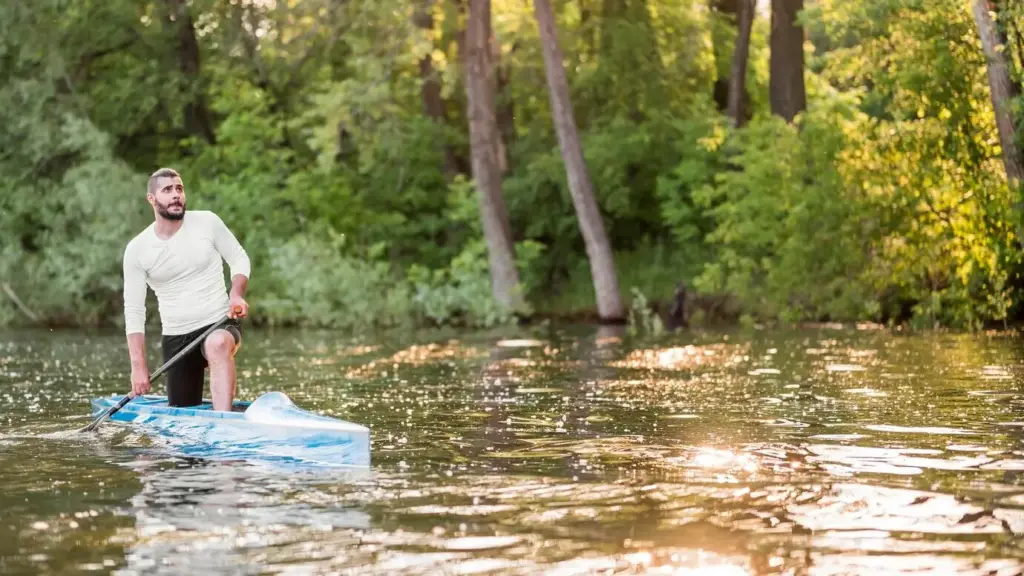
Master the delicate choreography between quitting time and first paddle stroke by optimizing your bag layout, clothing layers, and setup sequence. With a few practiced motions, you can limit fuss, protect your essentials, and preserve precious daylight for calm, focused strokes that wash away the workday.

Choosing the Right Packable Kayak

Balance portability, durability, and paddling feel by understanding how inflatable chambers, folding frames, and hybrid constructions behave on flatwater, tidal rivers, and light chop. The right boat packs into transit-friendly dimensions yet offers reassuring stiffness, responsive tracking, and enough volume to carry your lean daily kit.

Multi-use Safety Essentials

Choose a low-profile PFD with integrated whistle, small knife, and attachment points for a compact light. Add a slim thermal blanket that doubles as a wind block, and keep a tiny signaling mirror tucked beside a few water purification tablets for layered, lightweight resilience.

Compact Paddles and Modular Blades

A four-piece carbon or fiberglass paddle packs small without feeling flimsy. Modular blade options let you adjust feather angles or swap sizes for windier evenings. Store it in a padded sleeve to prevent bag wear, and mark the shafts for fast, repeatable alignment under pressure.

Ultralight Repair and Care Kit

Carry valve adapters, alcohol wipes, fast-setting patches, and a short length of strong tape. Toss in a tiny towel to dry contact points before patching. This pocket-sized insurance turns potential trip-enders into minor pauses, preserving confidence even when urban debris tests your hull.

Real Commute-to-Paddle Stories

Learn from paddlers who transformed short windows into restorative rituals. Their routines reveal how to pre-pack smartly, choose forgiving routes, and prioritize safety without diluting spontaneity. These bite-sized adventures add rhythm to weekdays, proving you can collect memories even when calendars are crowded.

The Train-to-Tide Routine

A designer stashes a folding kayak beneath a desk, catches the early evening train, and inflates on a pier between ferry schedules. Thirty quiet minutes among gulls resets the mind. A tiny headlamp, reflective tape, and reliable tide app keep the return calm and predictable.

Lunch Break Micro-Adventures

A teacher keeps an inflatable in the trunk, launching on a sheltered lagoon five minutes from campus. With a pre-assembled paddle and a trimmed kit, fifteen minutes becomes enough to drift, breathe, and re-center. A quick-change towel and compact pump make turnaround surprisingly fast.

After-Dark Safety and Reflection

A software engineer paddles under city lights, timing sessions to slack water. Reflective decals, bright stern light, and a minimalist dry suit elevate safety while preserving ease. The hum of traffic fades beneath the paddle’s rhythm, turning a long day into something gently restorative.

Finding Legal Launch Points

Check municipal maps, park rules, and paddling forums for sanctioned entry spots with reasonable carry distances. Note operating hours, seasonal closures, and bathrooms. Track backup options for high water or events. Friendly conversations with rangers often unlock valuable local knowledge and future goodwill.

Sharing Space with Rowers and Ferries

Learn the flow: ferries have restricted maneuverability, rowers look backward, and tour boats prioritize schedules. Hold a predictable line, signal intentions clearly, and avoid lingering in channels. A compact VHF or phone in a waterproof case adds redundancy for busy, changing conditions.

Leave-No-Trace in the City

Urban stewardship begins with quiet arrivals, tidy gear, and thoughtful launches. Pack out micro-trash, rinse shoes away from storm drains, and use biodegradable soap at home. A collapsible bag for litter elevates your presence, showing onlookers that small boats can model big care.

Weather, Water, and Risk Management

Short sessions do not excuse sloppy decisions. Read forecasts, watch water levels, and set clear go or no-go thresholds. Build habits that scale to fatigue, darkness, and changing wind. The leaner your kit, the sharper your judgment must be to keep freedom safe.
Combine hourly wind charts, radar, and local station data for a layered picture. Note gust spread, direction shifts, and temperature drops near sunset. Observe river gauges or tidal predictions for current strength that might complicate a tight turnaround and overwhelm a lightweight setup.
Dress for immersion even when the air feels kind. Thin neoprene gloves, a minimal hood, and layered base pieces prevent stumbles from turning serious. Practice self-rescue in your actual packable boat so your first real capsize feels familiar, fast, and recoverable.
Carry an ultralight communication plan on a laminated card with contact numbers, nearby exits, and tide windows. A tiny strobe, slim whistle, and a few chemical warmers weigh little yet extend your margin. Share your float plan by text before leaving the platform.

Community, Skill-Building, and Next Steps

Vazamonalufovoxefizo
Privacy Overview

This website uses cookies so that we can provide you with the best user experience possible. Cookie information is stored in your browser and performs functions such as recognising you when you return to our website and helping our team to understand which sections of the website you find most interesting and useful.