
Ride the Light: Urban Paddle Photography under the Full Moon and Golden Hour
Tonight and at every glowing dusk, we explore full moon and golden hour urban paddle photography, bringing together tidal reflections, skyline shimmer, and moving water. You will discover timing secrets, gear choices, safety habits, creative compositions, and editing ideas that help your shots feel alive. Paddle with us, ask questions, share your experiments, and help others navigate the magic balance between soft city light, lunar brilliance, and the rhythmic sway of your board or boat.
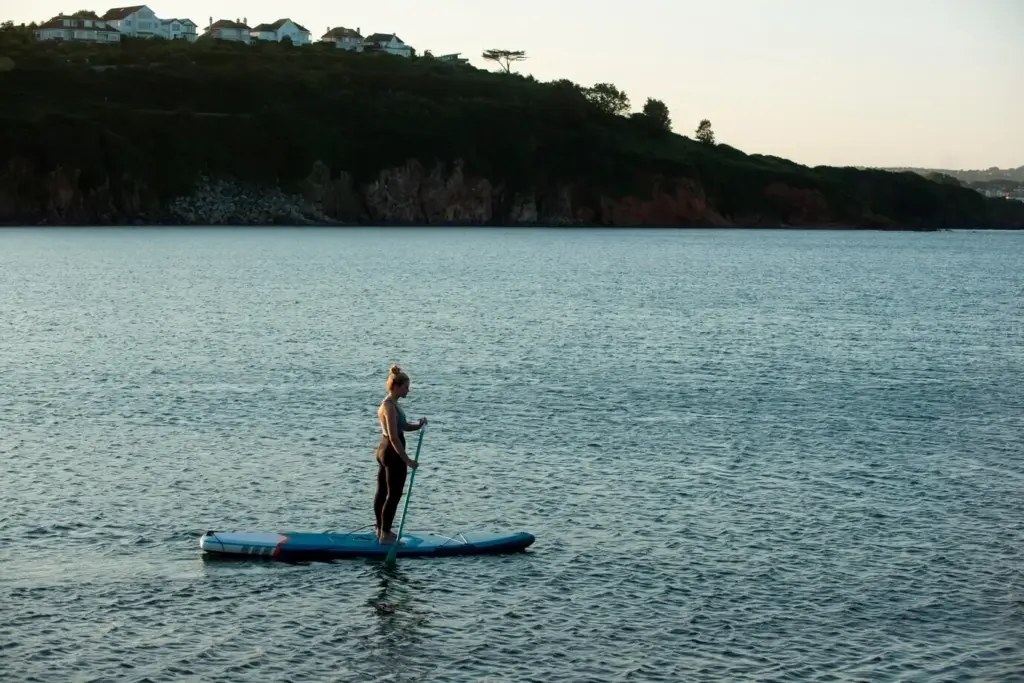
Plan the Paddle, Plan the Light
Success begins before your board touches water. Study lunar cycles, civil and nautical twilight, and local skyline obstructions that delay first light or moonrise. Consider wind and current forecasts, launch access, and where reflections naturally collect. Build a flexible plan with contingencies, including sheltered coves for wind, alternative bridges for framing, and safe egress points. The best images often result from deliberate planning that still leaves space for spontaneous discoveries.
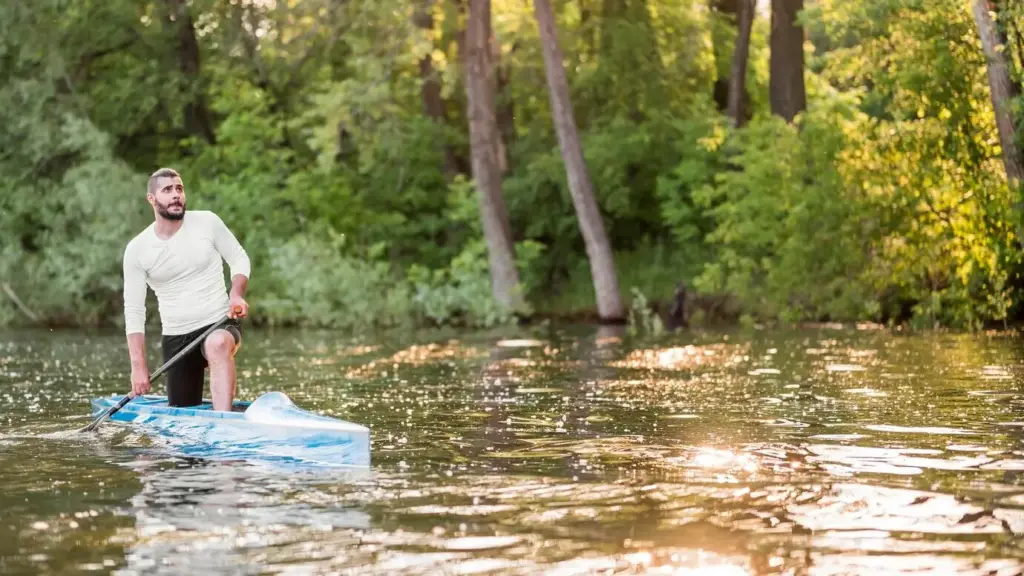
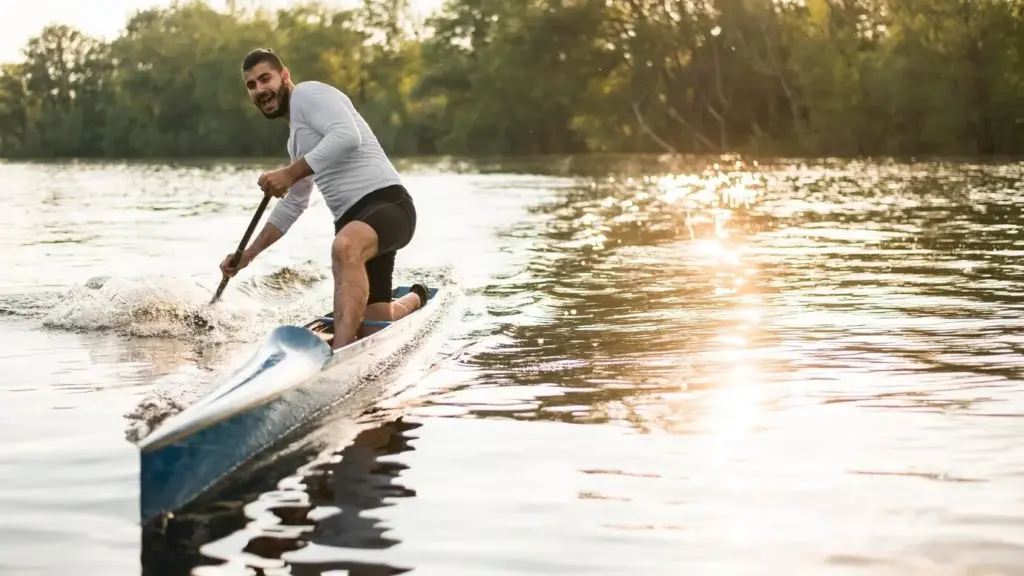
Gear That Works Where It’s Wet
Bring equipment that respects the water as much as the light. Choose sealed lenses, weather-resistant bodies, and buoyant straps. Carry a compact PFD, whistle, headlamp, and a deck bag with desiccant packs. Stabilization is crucial, whether a small gimbal, paddle-as-monopod technique, or mini tripod clamped to the deck. Favor quick-access solutions that let you shoot swiftly between strokes. Keep backup batteries warm and dry, and never sacrifice safety to reach for an extra stop of sharpness.
Master Exposure on Moving Water
Balancing a bright moon, reflective water, and glowing windows requires attention and restraint. Lean on exposure compensation and highlight-weighted metering when available. Bracket when the moon is small in frame, and gently lift shadows in post. Use shutter speed to tell motion stories: silky strokes, crisp droplets, or gently blurred reflections. Manage ISO realistically, recognizing that texture in the night sky can be beautiful. Trust histograms, not only your rear screen, as your board rocks softly.
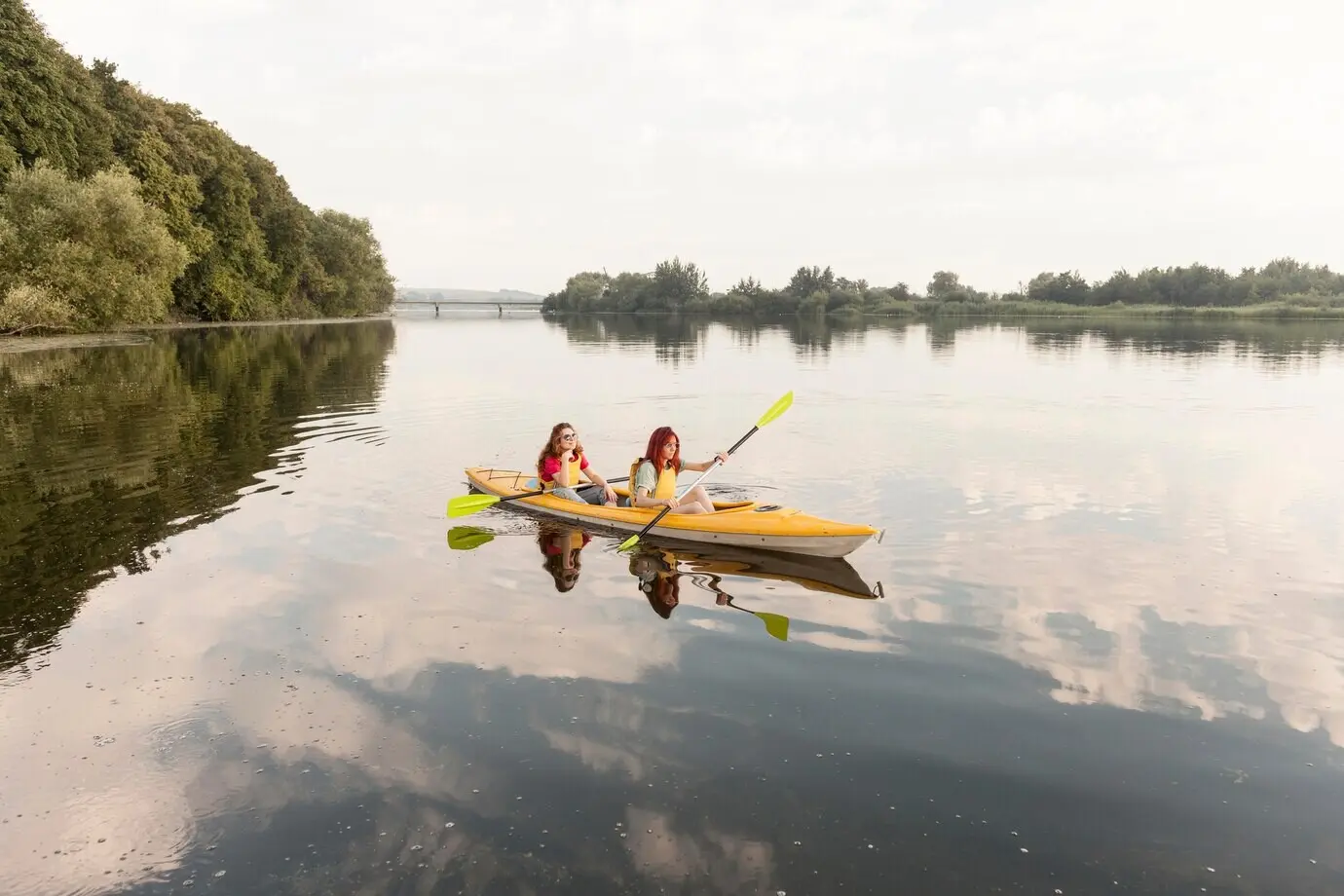
Reflections as Dynamic Story Elements
Reflections change by the second with wind, wakes, and boat traffic. Watch for mirrored windows that cascade into water, then time strokes to avoid undesired ripples near critical details. Employ diagonals formed by pier shadows and bridge undersides. Capture both literal mirror scenes and abstract streaks that feel like brushwork. When the moon is high, chase calmer corners where its path draws a bright road over dark water, guiding the eye naturally toward your subject.
Foreground Clues: Decks, Paddles, and Lines
Include a bit of board nose, a wet paddle, or bungees to hint at presence and scale. These elements invite viewers aboard without overpowering the scene. Angle the paddle blade to catch warm sky, creating a complementary echo to the skyline. Keep edges clean; let cables, ropes, and dock fenders frame without clutter. Foreground details become anchors that stabilize the composition, especially as light fades and subtle motion can soften midground structures.
Architectural Framing and Urban Icons
Position the moon between towers or beneath an arch, then nudge the board to refine alignment. Use repeating bridge trusses as a suspended tunnel toward glowing clouds. Compress distance with a telephoto to pull monuments and paddlers closer together, or widen dramatically to celebrate scale. Scout daylit vantage points, mark them by GPS, then return as the city lights spark. Strong frames help every gust, reflection, and paddle splash feel intentional rather than improvised.
Move Smart, Stay Safe, Keep Creating
Art thrives when you feel secure. Know local navigation rules, display proper lights, and maintain constant awareness of ferries, barges, and fishermen. Communicate with partners by radio or simple calls. Keep a thermal layer handy for post-sunset chill, and sip water even when it feels cool. If a shot requires risky positioning, step ashore and reframe. Creativity expands when you trust your preparation, your skills, and your plan for getting home safely.
Edit for Atmosphere Without Overpolishing
Your files already hold magic; help them breathe. Start with lens corrections, gentle noise reduction, and precise white balance. Protect highlight detail in windows and moon, then lift shadows only where story requires. Use local contrast to sculpt silhouettes, and maintain believable color interactions between warm and cool sources. Blend multiple exposures sparingly, favoring natural transitions. Finish with subtle vignettes that echo real falloff, and sharpen water textures carefully so grain supports, not fights, the mood.
Ethical Blends and Honest Composites
If aligning a larger moon or different exposure, disclose your process when presenting work, especially to publications or contests. Use masks that honor edges and reflections, and avoid impossible alignments. Keep the water’s texture consistent across layers. Often, small exposure merges are enough to respect reality while solving dynamic range challenges. Thoughtful transparency builds trust with viewers and clients, and it strengthens your own editorial compass, especially when balancing documentary intent with creative expression.
Mobile Editing on the Dock or Train
On-the-go adjustments help you learn quickly. Build lightweight presets for golden hour warmth, moonlit coolness, and mixed urban illumination. Test noise profiles on a few images, then apply selectively. Use radial filters to add depth around paddlers without obvious halos. Export variations for social tests, comparing engagement to refine future field choices. A nimble mobile workflow keeps the creative loop tight, turning tonight’s lessons into tomorrow’s stronger captures before the next moonrise.
Prints, Papers, and Physical Presence
Some images beg to leave the screen. Try baryta or metallic papers to enhance shimmering reflections and deep night gradients. Soft proof to preserve subtle blues, and keep highlights below clipping for gallery lights. Consider panoramic crops that echo river flow, then frame with anti-reflective glass. Holding a print reveals textures hidden in pixels, teaching you how much detail to keep or soften next time you compose on the water at dusk.
Tell the Story and Grow the Community
Great images become memorable when paired with narrative. Share the wind shift that forced a new angle, the kindness of a harbor master, or the unexpected bird that crossed your reflection. Invite readers to paddle meetups during full moon weekends, and encourage questions about safety or gear. Build sequences across a month, showing waxing to waning, sunrise to sunset. Ask for comments, remixes, and behind-the-scenes shares, then celebrate the collective journey with gratitude and credit.
All Rights Reserved.